One of the most beautiful and meaningful parts of AIA + GAIA’s mission is sharing the stories of endangered species in a way that reaches children, parents, and families—stories that spark curiosity, compassion, and a deeper relationship with the natural world. We want little ones to grow up feeling the presence of nature as an ally, as a home—a place that gives them air, water, wonder, and beauty, but also a place they learn to protect.
In that spirit, my own adventurous soul led me to Namibia this year—a land where the desert moves to its own rhythm and sunsets fall over landscapes that could easily belong to another planet. There, I had the privilege to see many of the animals I paint—creatures I had known only on canvas suddenly came alive before me, in their true, magical habitats.
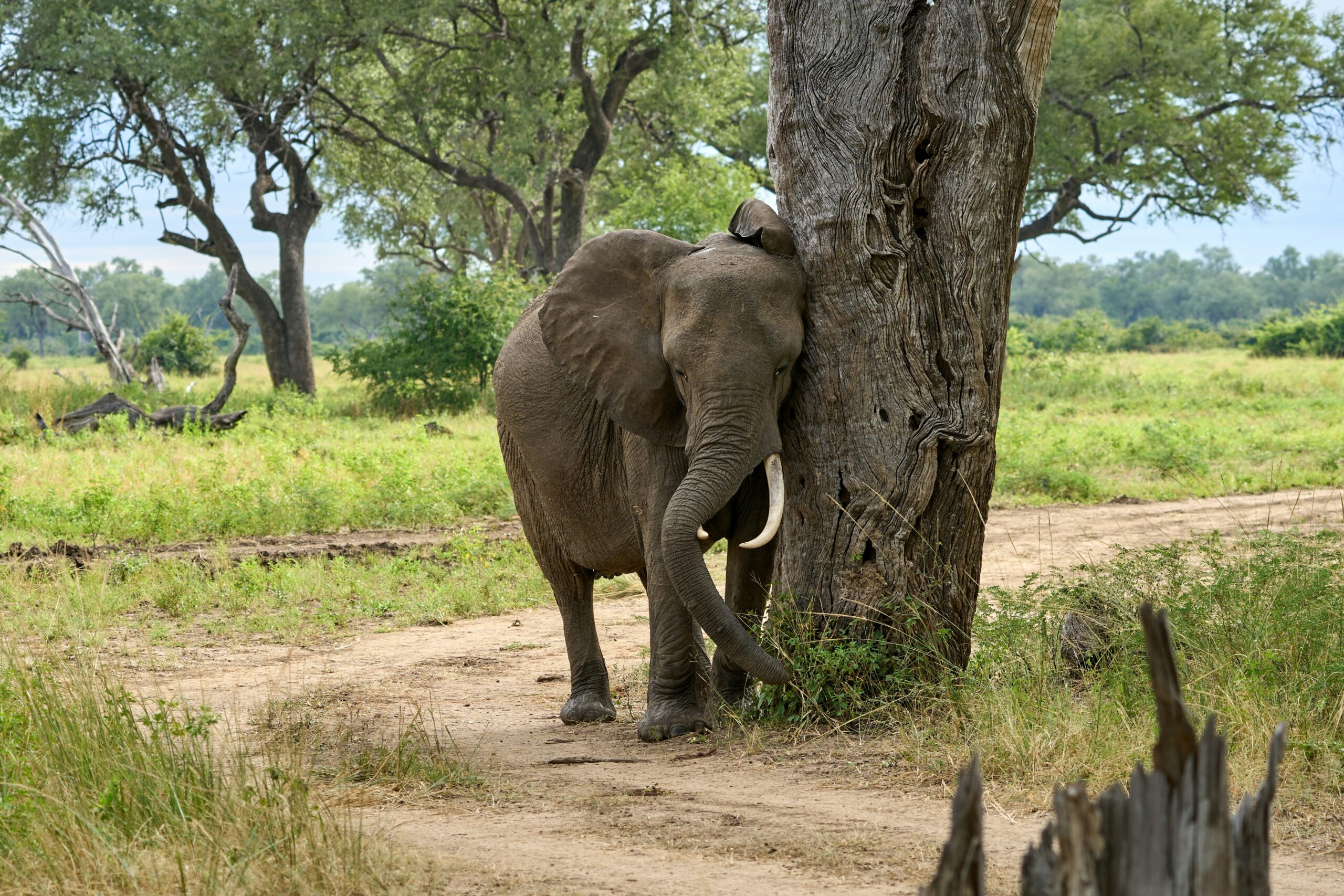
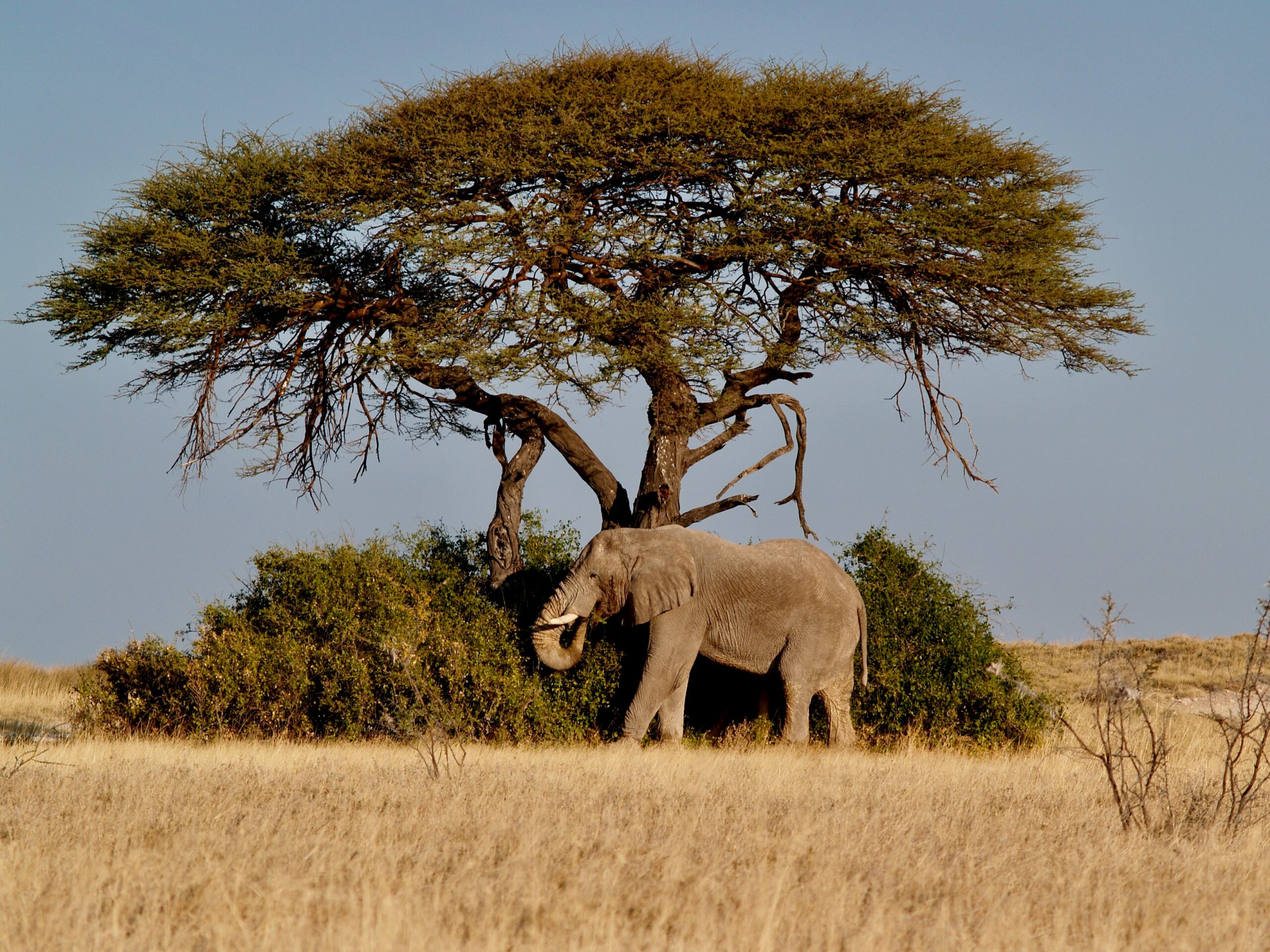
One of these encounters was with the African elephants. As we wandered through the dusty savannah, a magnificent giant suddenly emerged from between the acacia trees—so close I could hear his breath. In that moment, I felt like a tiny dot in a world so much bigger, wiser, and older than myself. The kindness and purity in his eyes stayed with me, and that feeling is exactly why I am writing this story today.
His ears paint the shape of Africa
Although not the first thing you notice about an elephant, his ears are a wonder on their own. They are not just large—they are shaped like the African continent itself. When fully spread, they resemble a map—a symbolic reminder that these animals are the living heart of Africa.
Another fascinating detail is that elephants regulate their body temperature through their ears. They use them for cooling, for communication, and as a form of protection. They are warning, gentleness, and strength—all in one.
Who is the African forest elephant and what makes him so special?
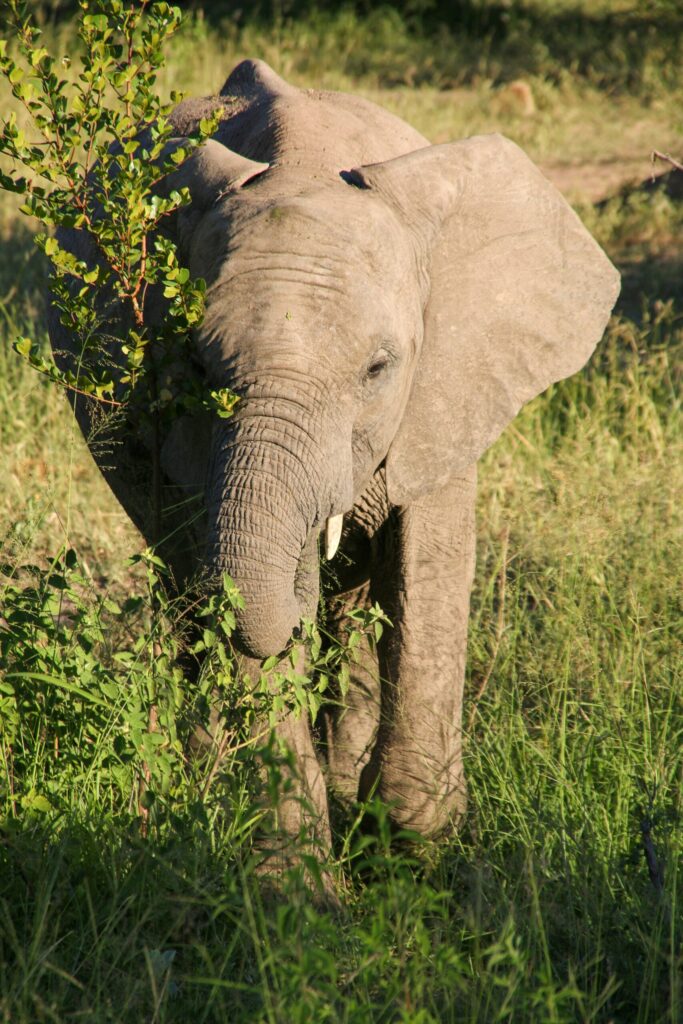
While most people associate elephants with open savannahs, one of the most endangered species lives deep inside tropical rainforests—the African forest elephant (Loxodonta cyclotis). He is smaller than the savannah elephant (Loxodonta africana), with darker skin, rounder ears, and more slender tusks that grow downward—an adaptation to the dense vegetation of equatorial forests.
Forest elephants are often called “the gardeners of the forest”. Through the fruits and plants they eat, they disperse seeds from dozens of species, helping forests regrow, stay healthy, and remain diverse.
They travel in family groups, move with quiet dignity, and play a crucial role in maintaining biodiversity.
They create paths that other animals later use, open spaces for new growth, and even influence the composition of the forest itself. A forest with elephants is profoundly different from a forest without them. They are true architects of nature.
Why these wise and beautiful animals are disappearing
Despite their strength, elephants are deeply vulnerable. In 2021, the International Union for Conservation of Nature (IUCN) officially listed the African forest elephant as a critically endangered species.IUCN) ги обявява за критично застрашен вид.
The threats they face are many. At the top of the list—unsurprisingly—is poaching for ivory. According to Global Conservation, in just twelve years the forest elephant population has declined by around 65%, largely due to illegal hunting and the ivory trade. Global Conservation в рамките на само 12 години популацията на горските слонове е намаляла с около 65%, главно заради незаконно ловуване и търговия със слонова кост.
Another serious threat is the loss of their natural habitat. Forests continue to be cleared for logging, mining, agriculture, and road construction. This fragments their home ranges and forces elephants to move into dangerous areas in search of food and safety.
Their long reproduction process also plays a major role. Forest elephants reach sexual maturity later and have long intervals between births, which means their populations recover painfully slowly.
While watching these enormous yet incredibly gentle beings in Namibia, I couldn’t stop thinking: How is it possible that animals with such strength can be so vulnerable because of our actions?
What can we do to change this reality
We don’t need to live in Africa to help. Our everyday actions—yes, even the small ones—are important. The first and most important step is to stay informed and to share what we learn with the people we love, especially with our children. Our little ones are not only the future of this planet—they are its present. They carry a great power within them, and it is vital that they grow up knowing the challenges nature faces. By telling them about the “gardeners of the forest”—why elephants matter and how we can protect them—we are already doing so much.
As a next step, we can begin by supporting organizations that protect wildlife. Even symbolic donations help fund patrols, education initiatives, and habitat conservation projects.
It is also essential to choose sustainable products, because our everyday purchases directly influence deforestation—and deforestation is one of the main reasons elephants, along with so many other species, are losing their homes.
And just as important, we can support policies that protect forests. Every signature, every voice in public discussions matters, and it is time to stop believing that our stance is just a whisper in the desert. If we continue to be indifferent or apathetic—not only about this issue, but in general—the things we wish to change will never truly change.
Why this matters to me and to AIA + GAIA
When I returned from Namibia, I carried one very clear truth with me: Nature is not our resource. Nature is our teacher.
African elephants made me feel small—not in worth, but in scale. They reminded me that our role is not to dominate, but to protect.
And if one day Ava—or any child—has the chance to see an elephant in its natural home, to hear it, feel it, be amazed by it, then I will know that our mission makes sense. Even in small ways, we will have helped protect one of the planet’s most extraordinary treasures.