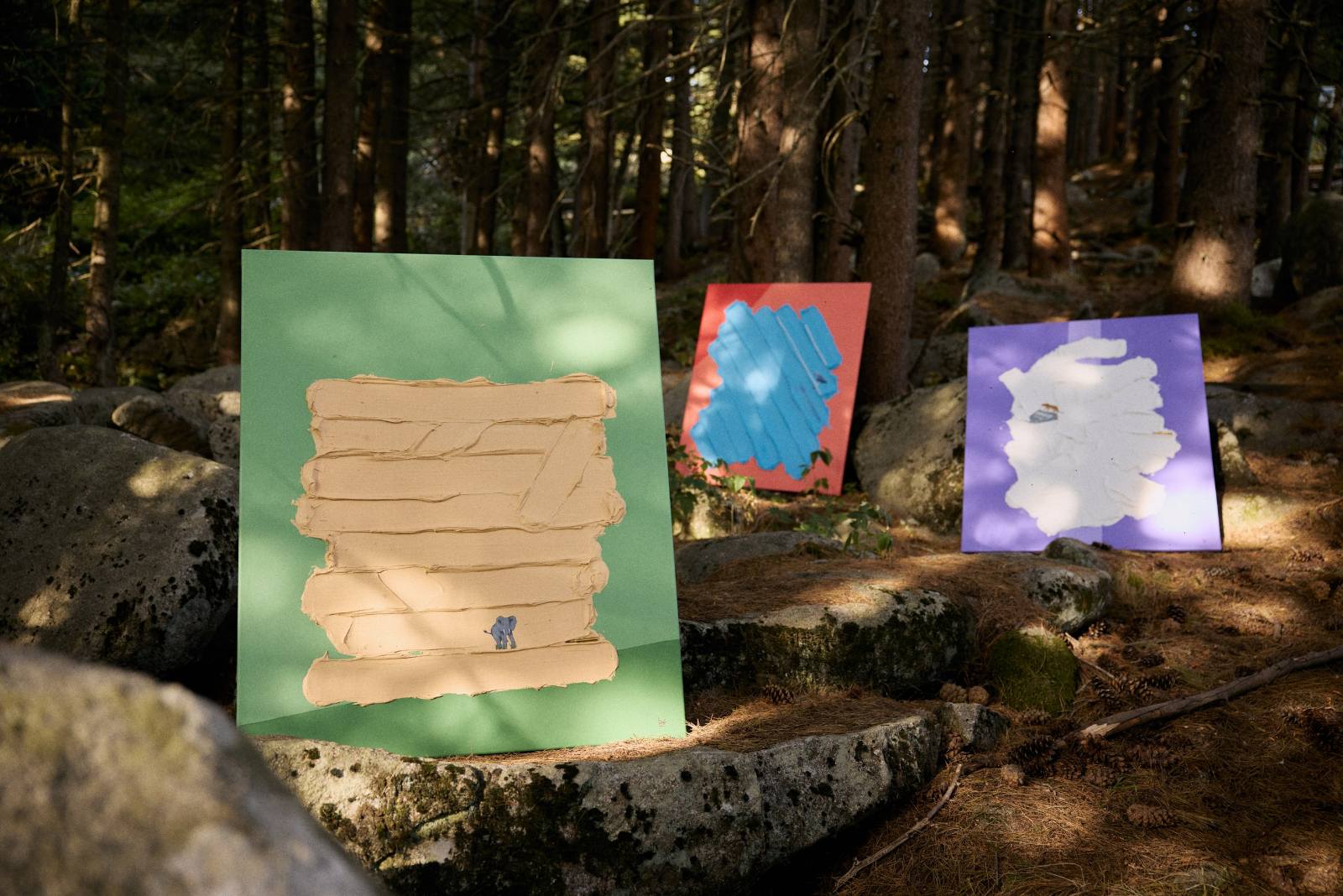
Animals
Разберете повече за животинските видове от колекцията ни
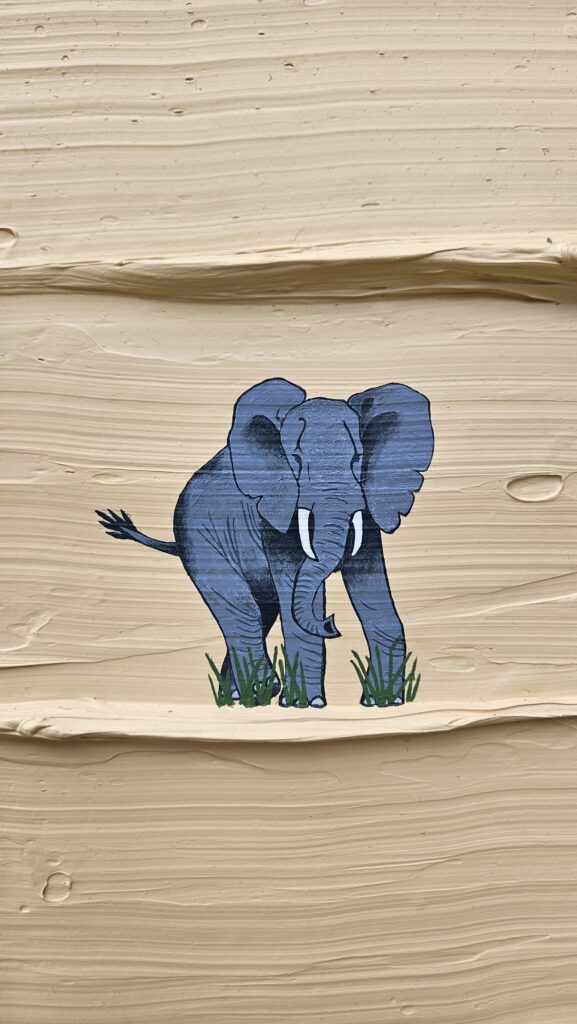
African forest elephant
With ears shaped like the African continent and a memory that stretches across decades, the elephant stands as a symbol of wisdom, strength, and deep social bonds. They are confronted with grave threats—poached for their ivory and forced from their habitats by roads and farmland.
By refusing ivory products and building communities that live in harmony with nature, we can help restore freedom to Africa’s elephants.
These gentle animals belong on the savannah, leaving real footprints—not only memories in the pages of history.
Black rhino
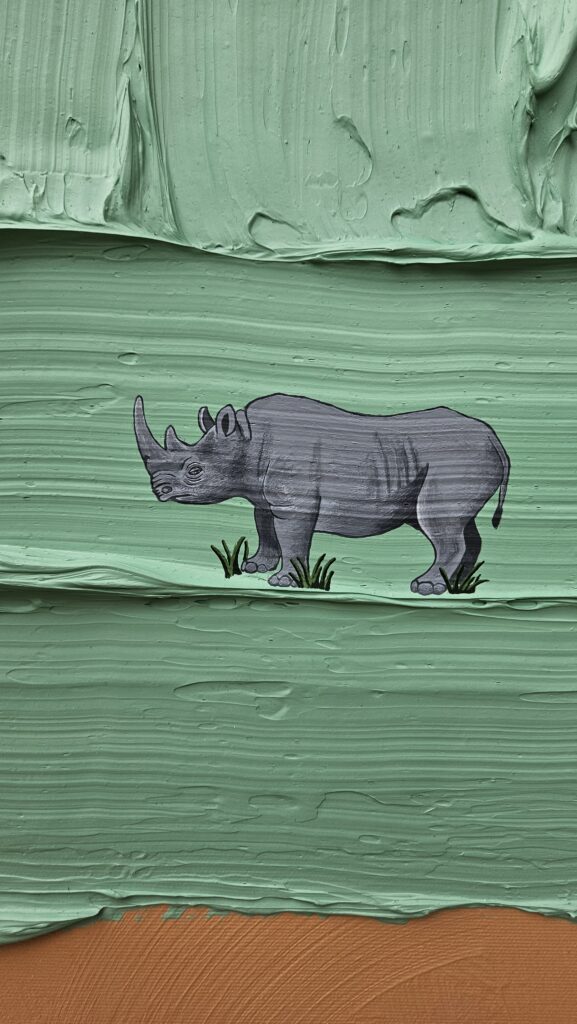
The black rhino once roamed freely across Africa’s vast landscapes — proud, majestic, and with a silhouette that commanded respect. Today, only a few thousand survive in the wild. The reasons are many: habitat loss, a changing climate, and above all, relentless poaching driven by myths and the illegal horn trade.
Still, there is hope. Supporting protected areas and choosing to live without animal products give rhinos the chance to remain where they belong — in the wild.
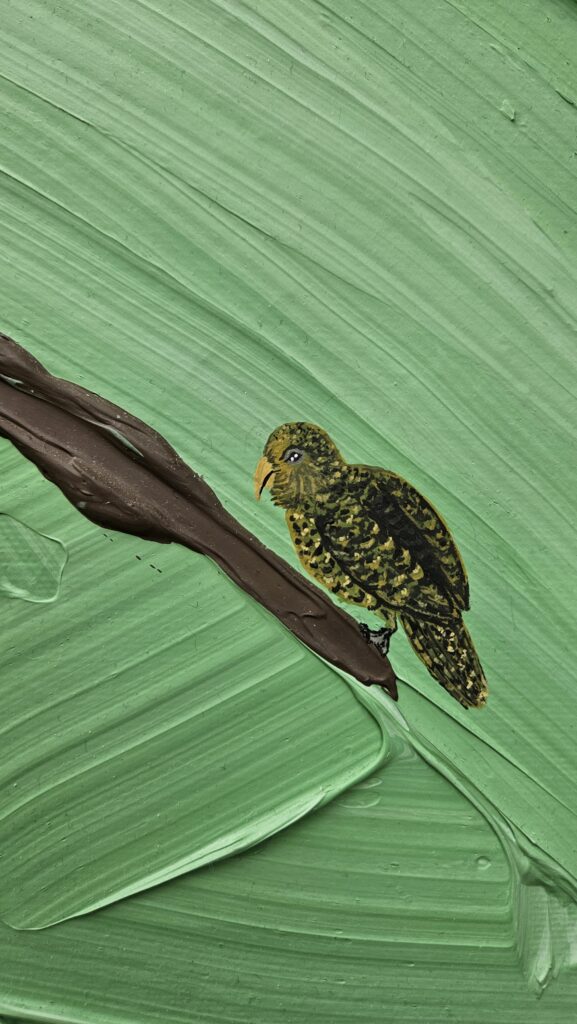
Kākāpō
Meet the kākāpō: a flightless, nocturnal parrot from New Zealand with a big personality and an even bigger heart.
When predators such as rats and cats invaded its remote island home, the species nearly disappeared — today, only about 240 remain.
Thanks to extraordinary conservation efforts, the kākāpō is slowly making its return. In telling its story, we protect not just a single bird, but an entire living heritage.
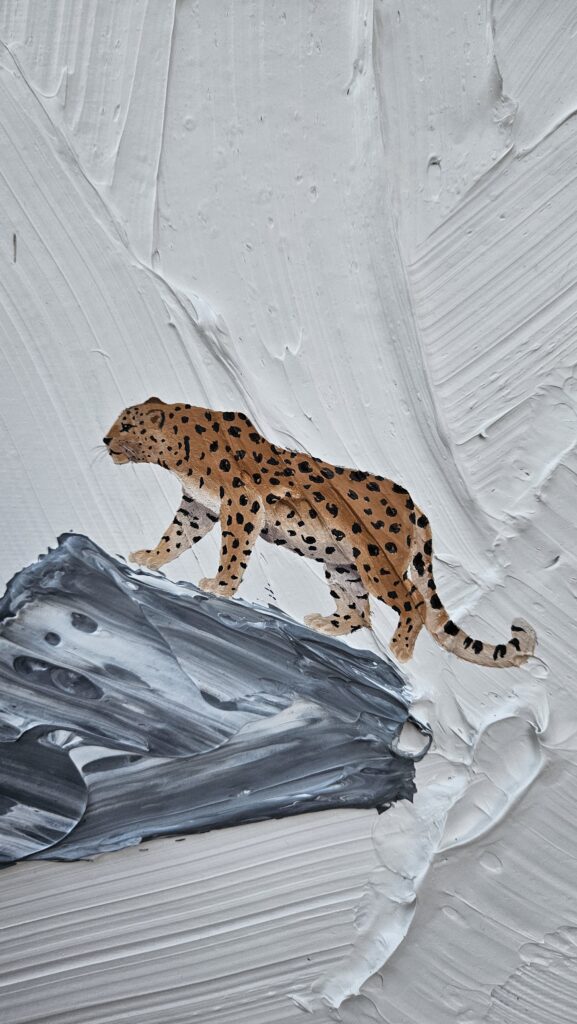
Amur leopard
The Amur leopard is one of the rarest big cats on Earth. It inhabits the snowy forests between Russia and China, moving like a shadow among the silence of ancient trees.
In the wild, fewer than 100 remain, threatened by deforestation and poaching.
These magnificent creatures need space, safety, and time to survive. Safeguarding the forests and taking action against climate change are vital — not only for the leopards, but for the entire ecosystem.
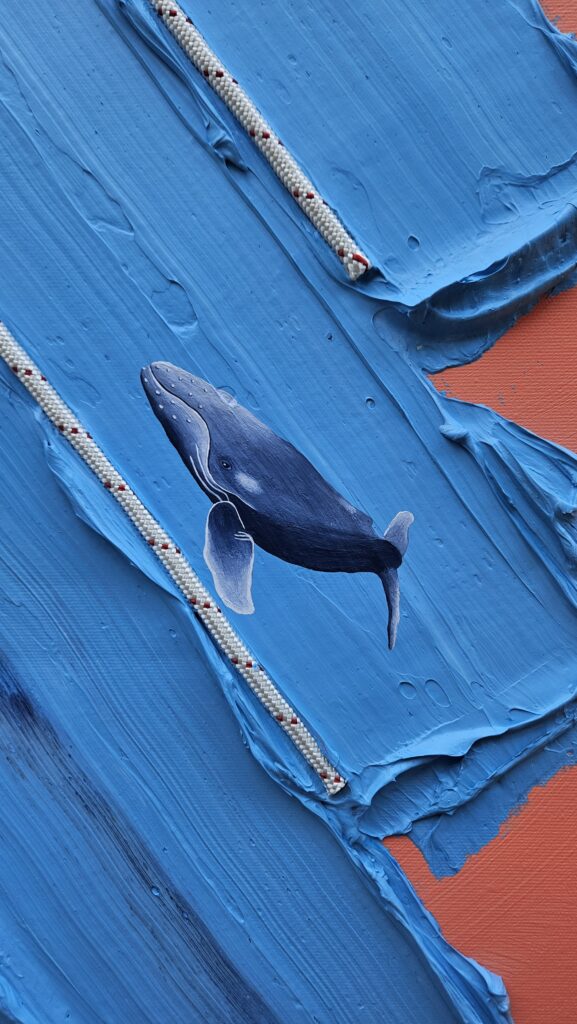
North Atlantic right whale
These giant marine mammals once filled the Atlantic Ocean with song. Today, fewer than 350 remain. They were called “right whales” because they were easy to hunt — and so began their destruction. Climate change, ship strikes, entanglement in fishing gear, and noise pollution pose critical threats to their survival.
Yet it is not too late for the oceans to be a safe haven for their natural inhabitants. By cleaning our seas and creating safer maritime routes, we give whales the chance to swim freely again. Their songs are meant to echo through the depths — not fade into silence forever.
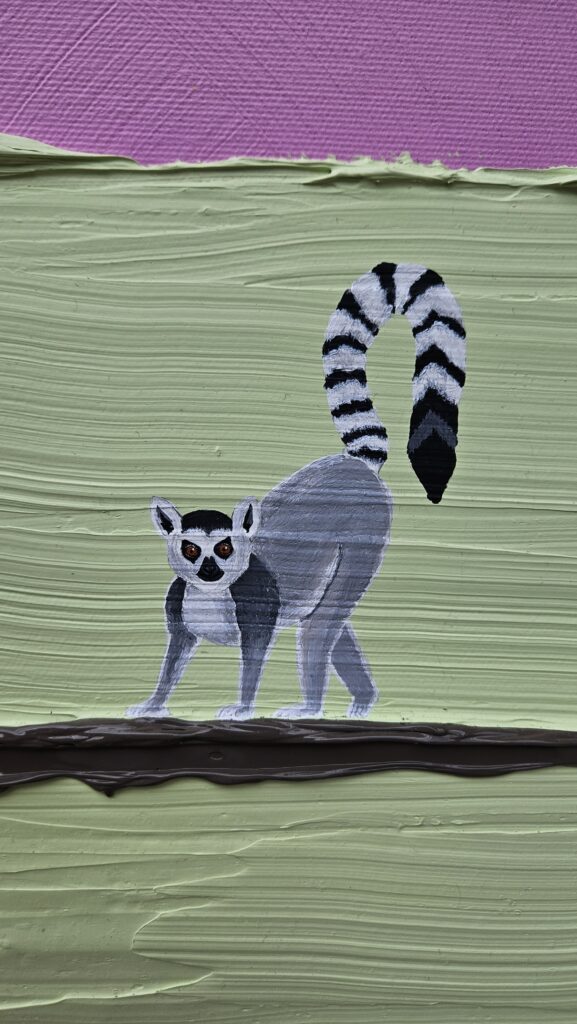
Lemur
Found only in Madagascar, lemurs leap and sing through treetops with wide, curious eyes.
Their habitats are vanishing, cut down for farmland and burned for charcoal. Without the forests, young lemurs lose not only their shelter, but their very chance to survive.
To protect Madagascar’s woodlands is to safeguard the lemurs — and the countless other creatures who share their world. Their songs belong to the wild. Let them continue to fill it.
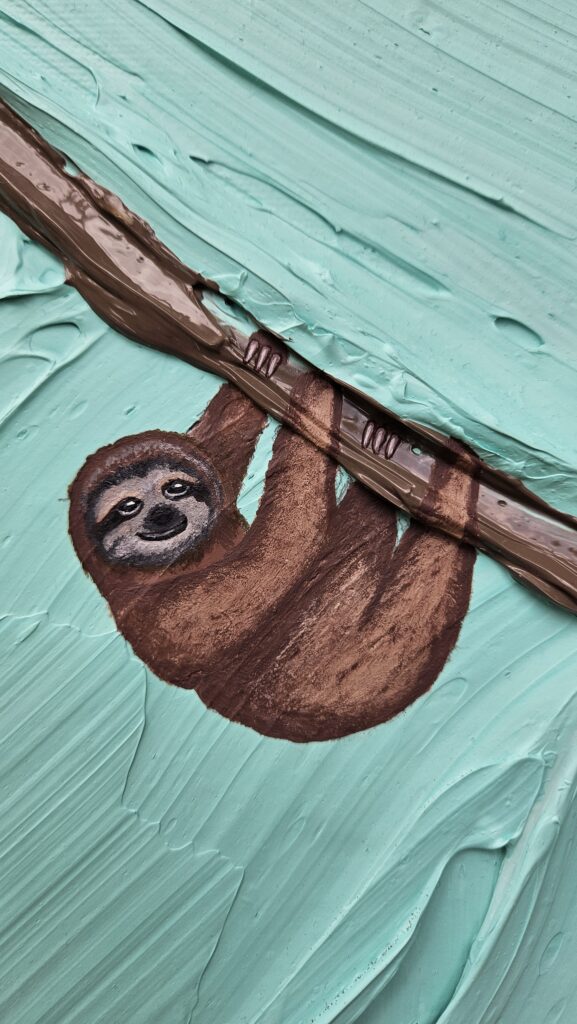
Three-toed sloth
Slow, gentle, and ever-smiling, three-toed sloths live high in the trees on a small island off Panama’s north coast. But human activities and deforestation are cutting their treetop homes into pieces.
We can build wildlife bridges and protect old forests so sloths don’t have to risk their lives. Their peaceful pace reminds us: nature isn’t a race.
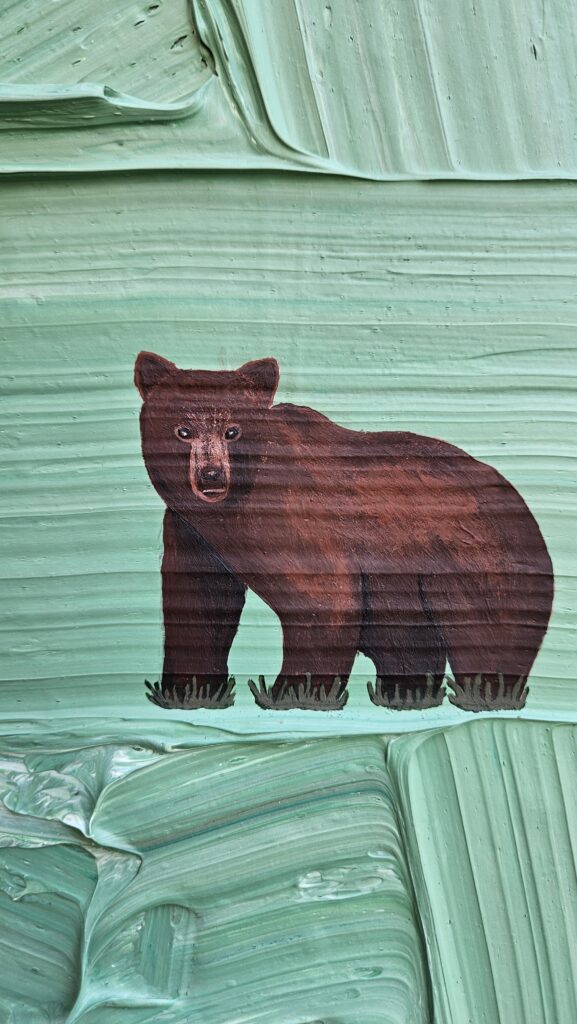
Brown bear
Brown bears are powerful yet shy, roaming vast mountains and forests across Europe and beyond.
As humans expand deeper into wilderness areas, bears lose the space and safety they need. We can coexist by protecting wild corridors and respecting their distance.
The wild is their home—and keeping it wild is up to us.
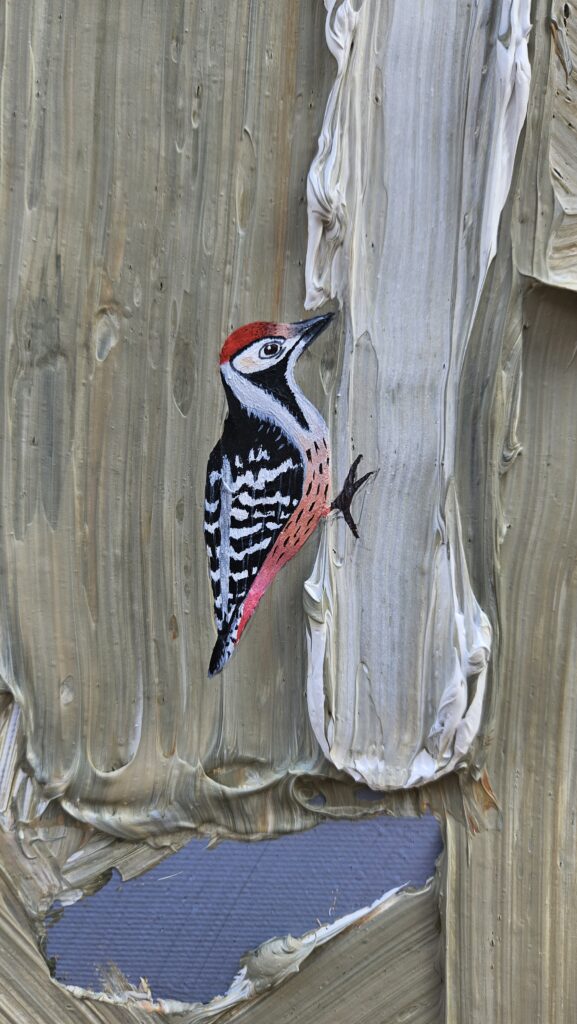
White-backed woodpecker
The white-backed woodpecker is a shy yet dazzlingly colorful bird, dwelling in ancient forests where old trees provide food and shelter. Yet such places are slowly vanishing, sacrificed to logging and industrial forestry.
By protecting these timeless woodlands, we safeguard not only the white-backed woodpecker, but an entire hidden universe of life that depends on it.
Every tree that remains holds a story. Let us not allow those stories to fade away.